IZIPHO
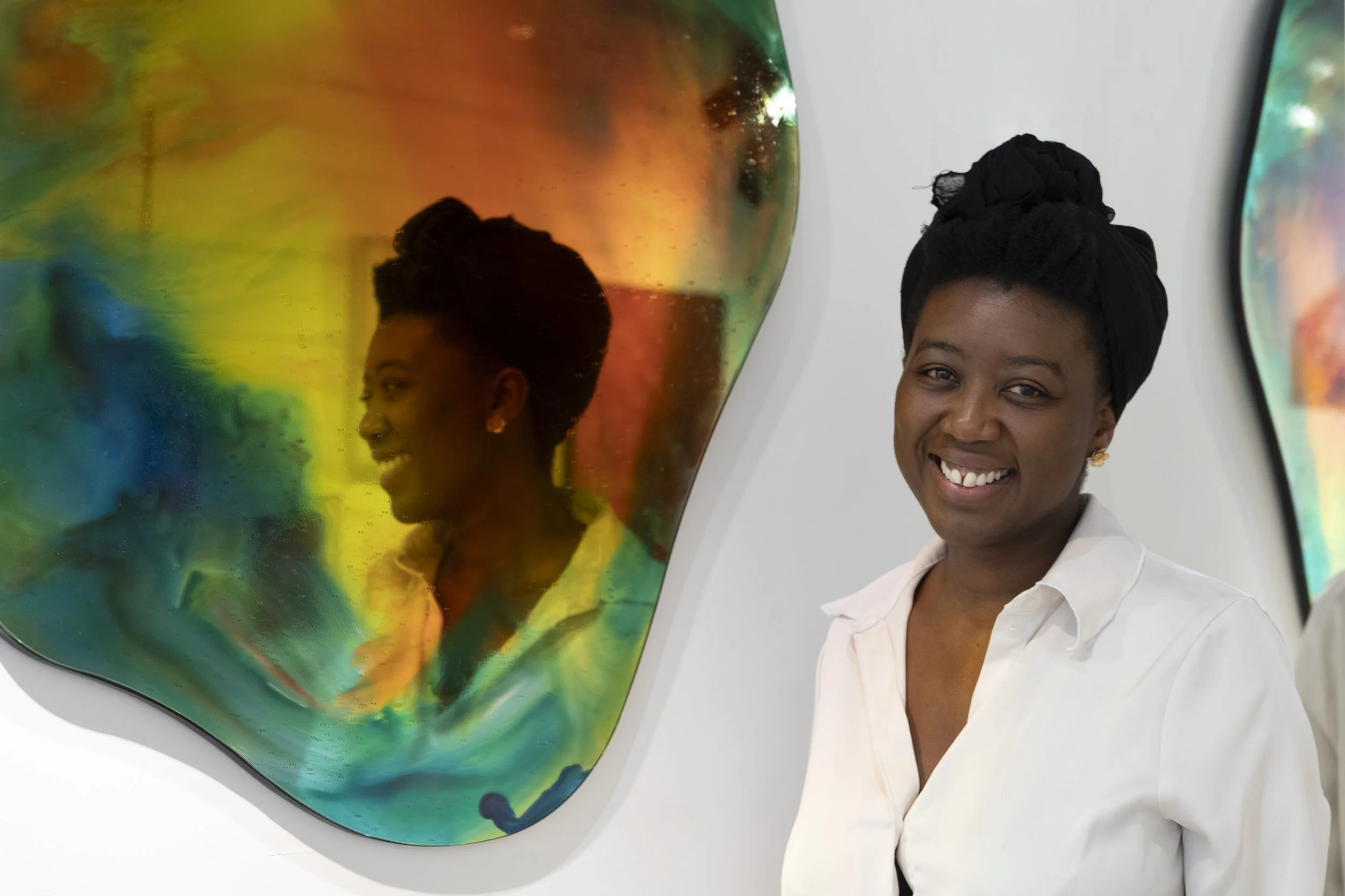
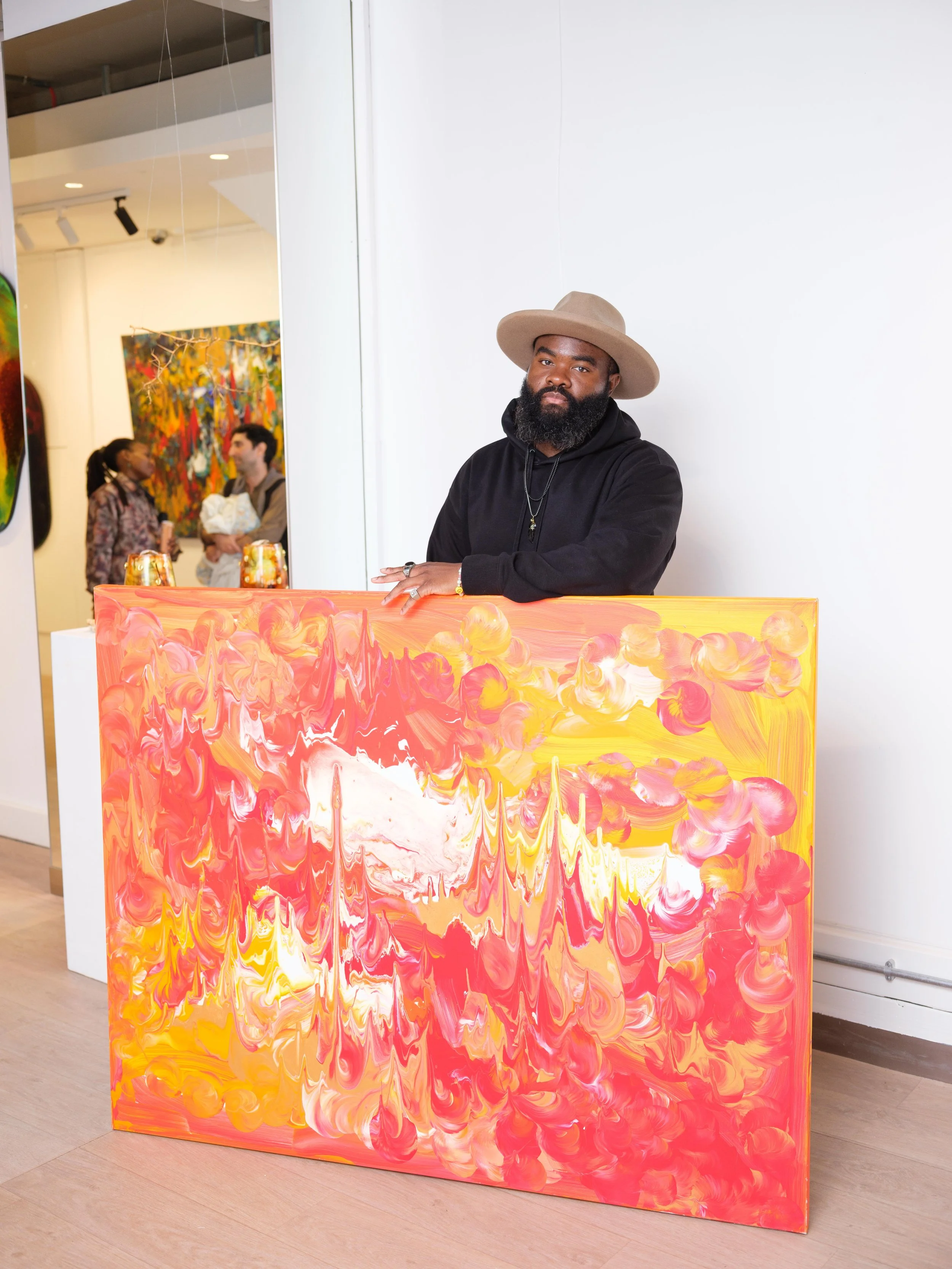
Izipho — meaning both talents and gifts in isiNdebele was born not from a plan, but from a moment of listening. It began in Bokani’s Hackney Wick studio, a space alive with pigment and light, where mirrors fractured reflections into constellations and colour breathed like prayer. What I thought would be a brief visit became five hours of conversation about freedom, grief, love and the courage to live one’s art with radical generosity. When I left, I carried more than a painting; I carried an idea that would become Izipho: a decade’s worth of work offered back to the world as a gesture of faith.
Client
Bokani
Year
2025
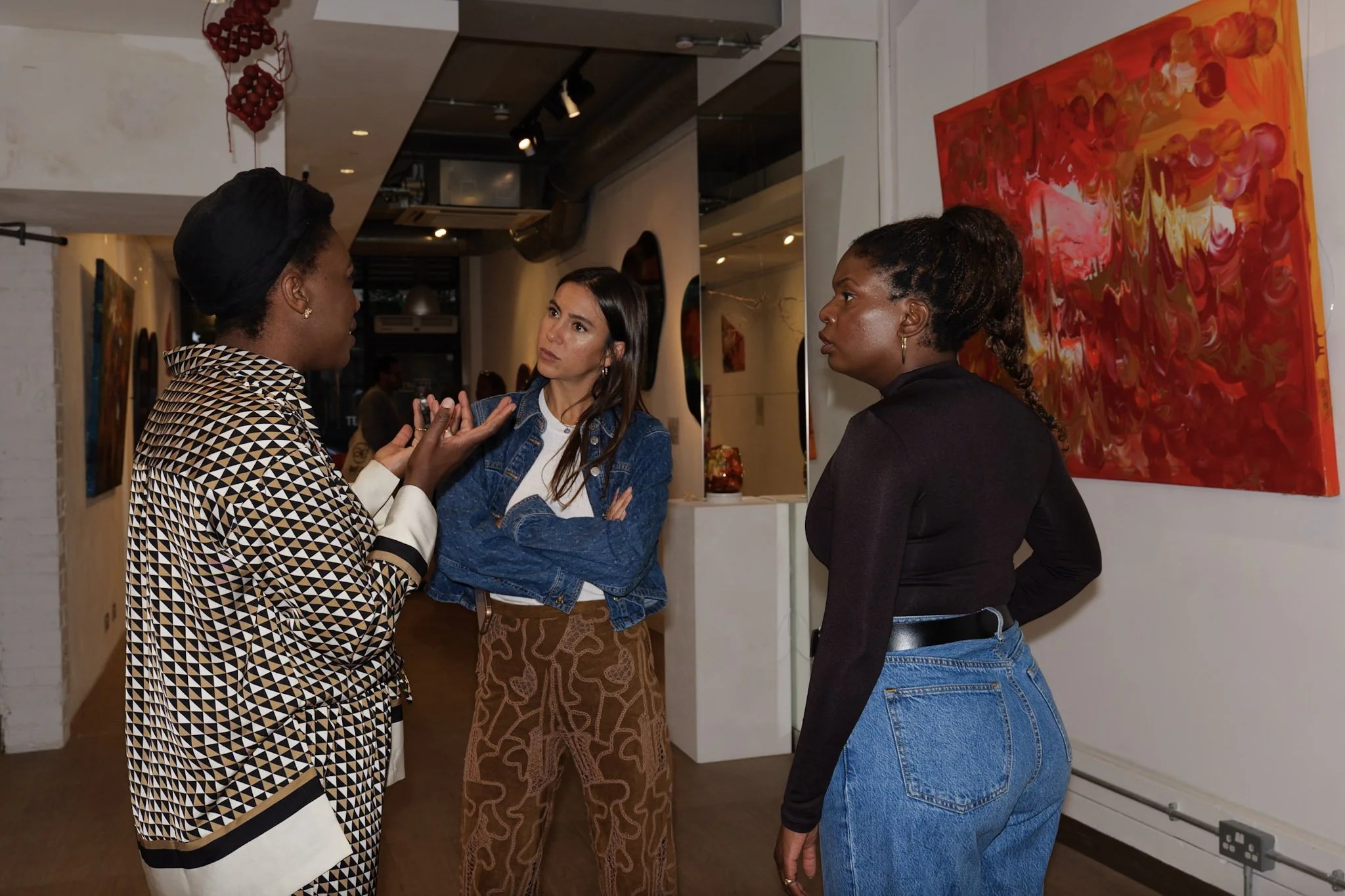
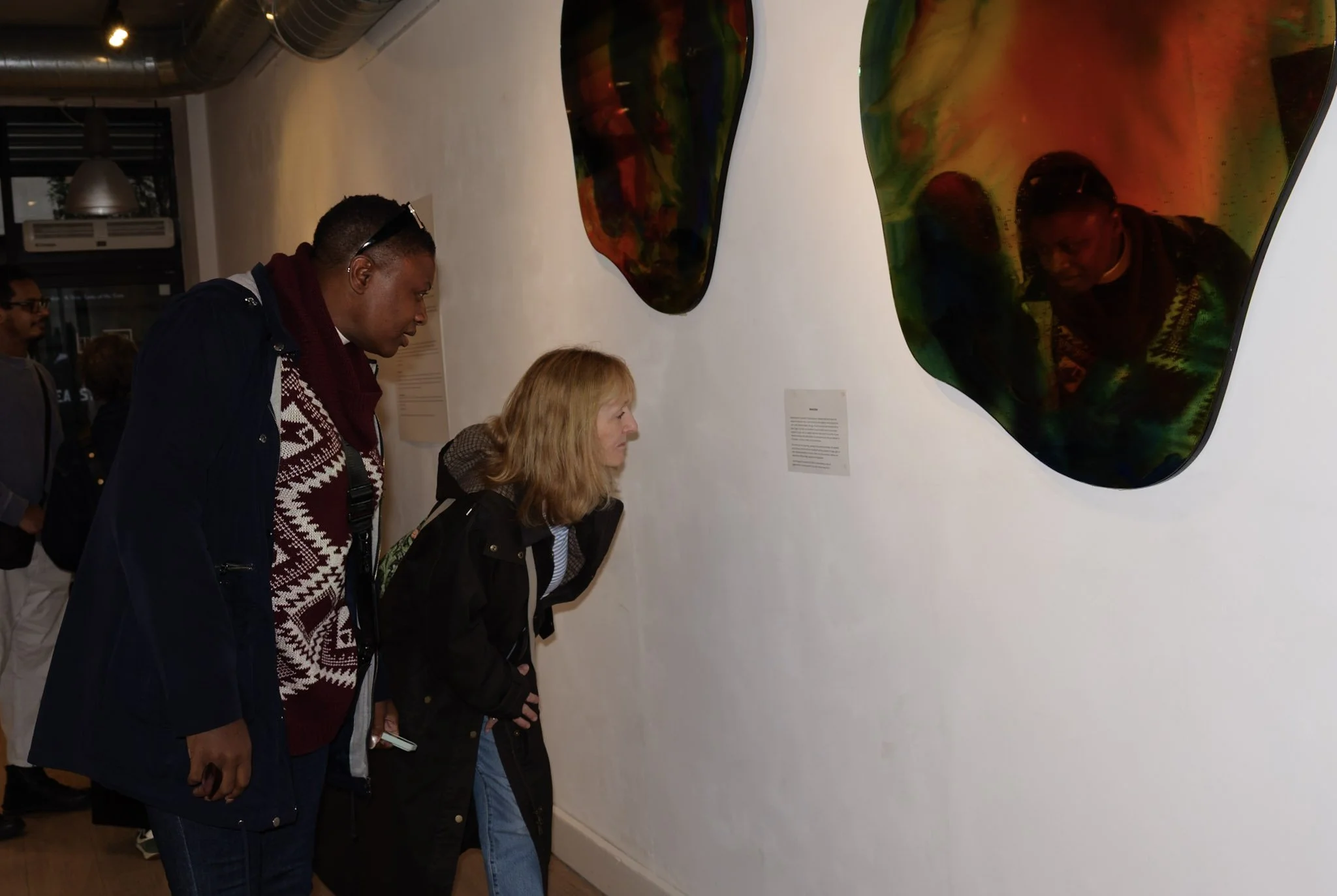
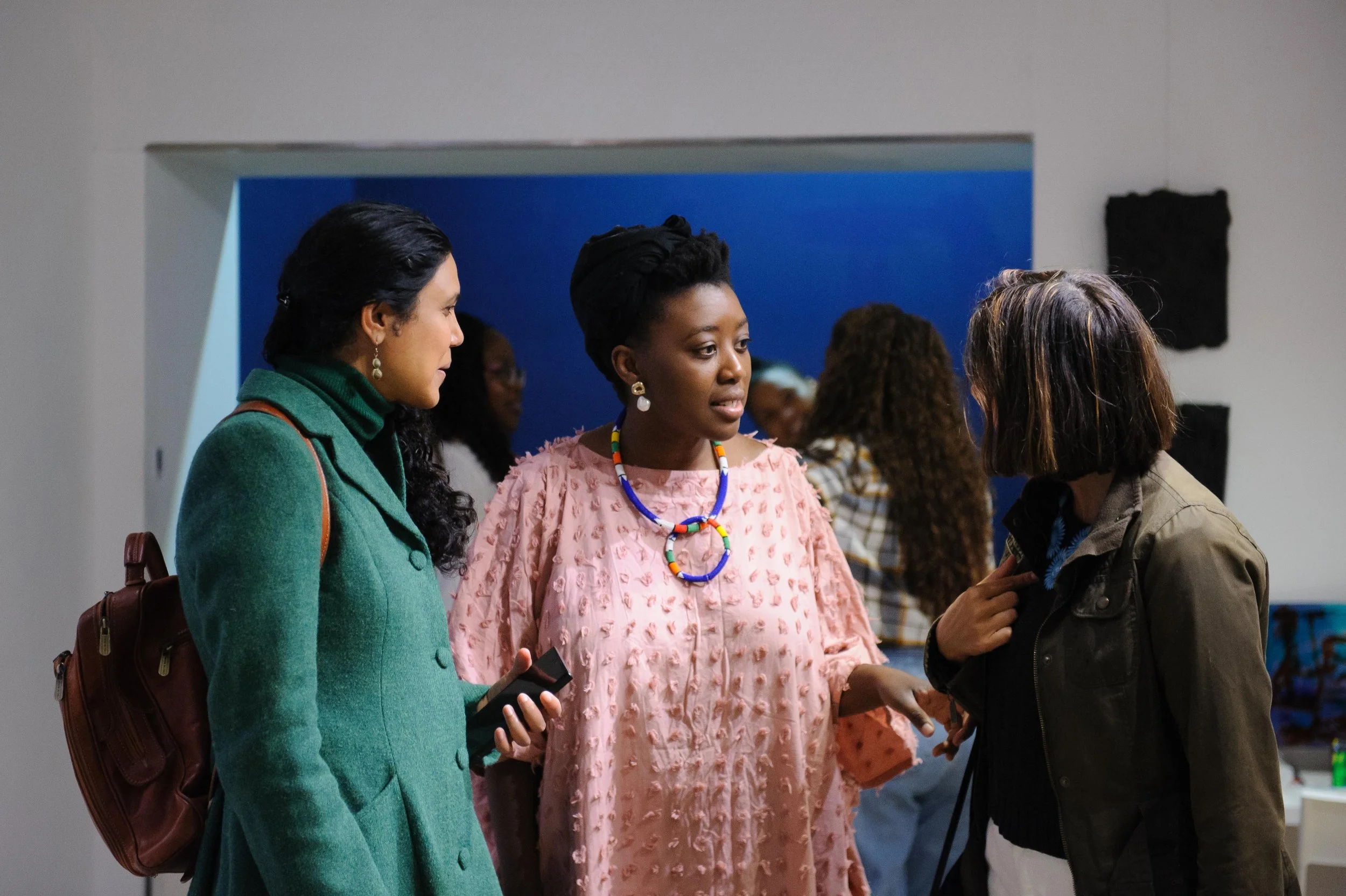
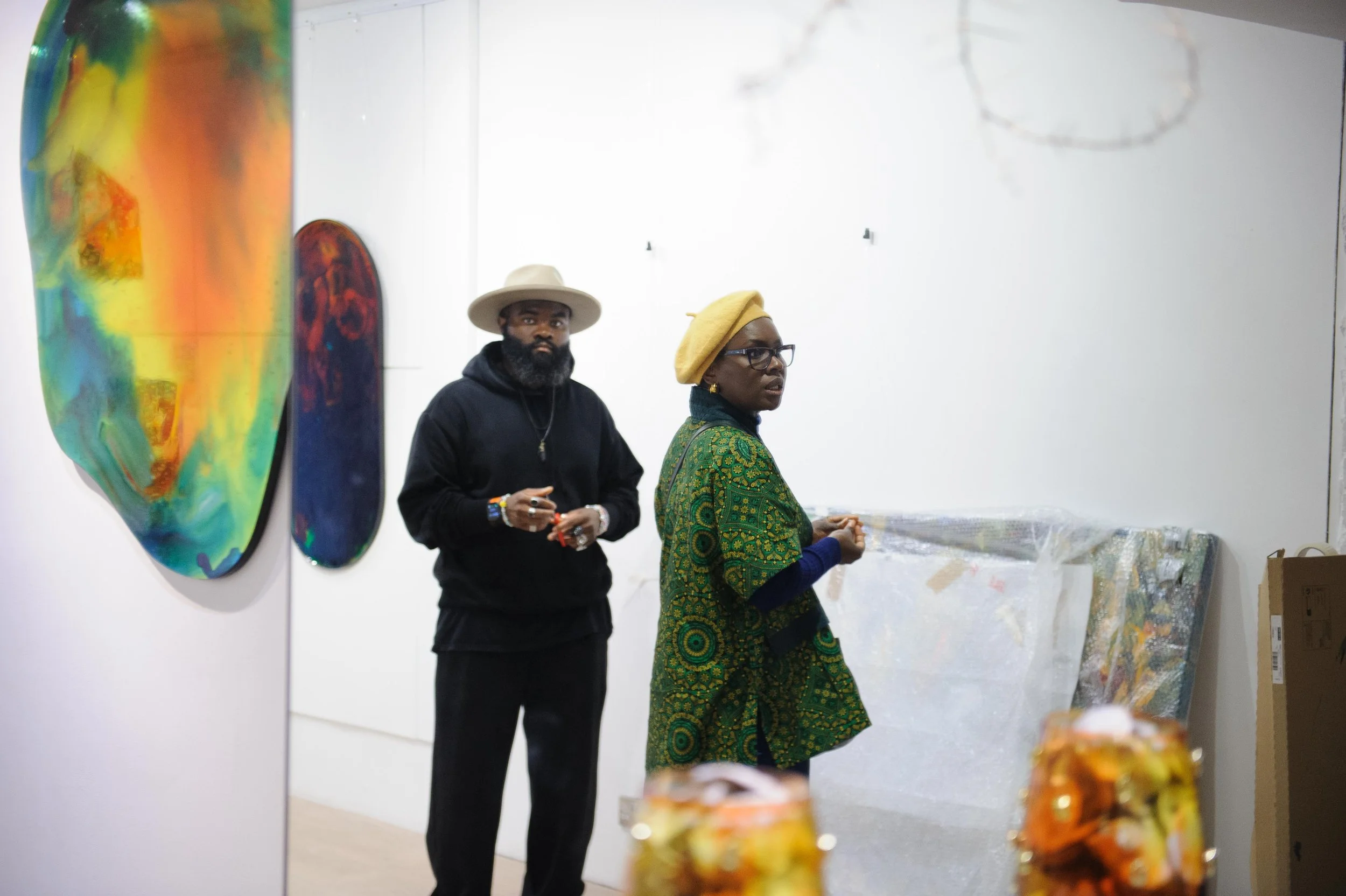
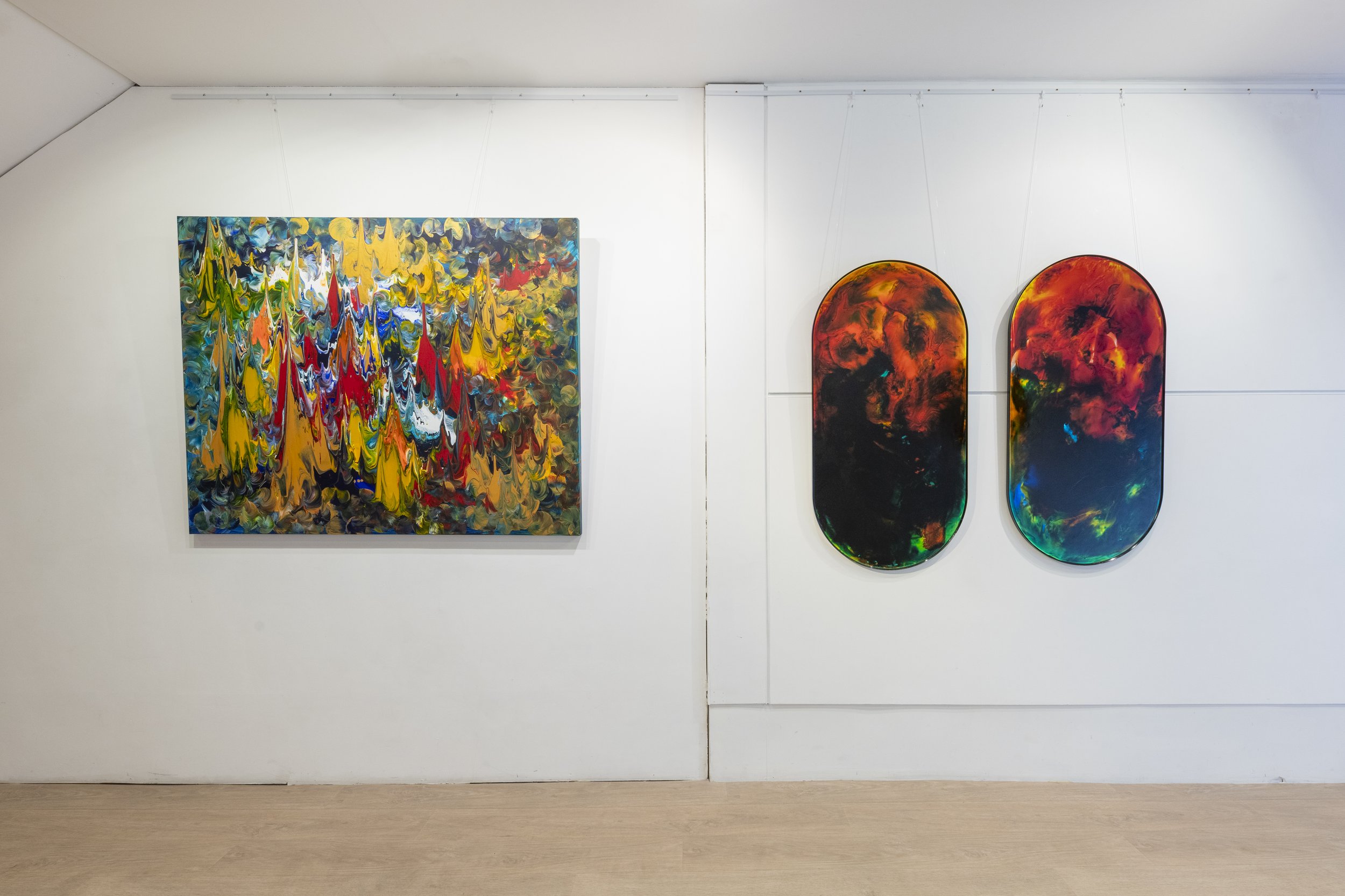
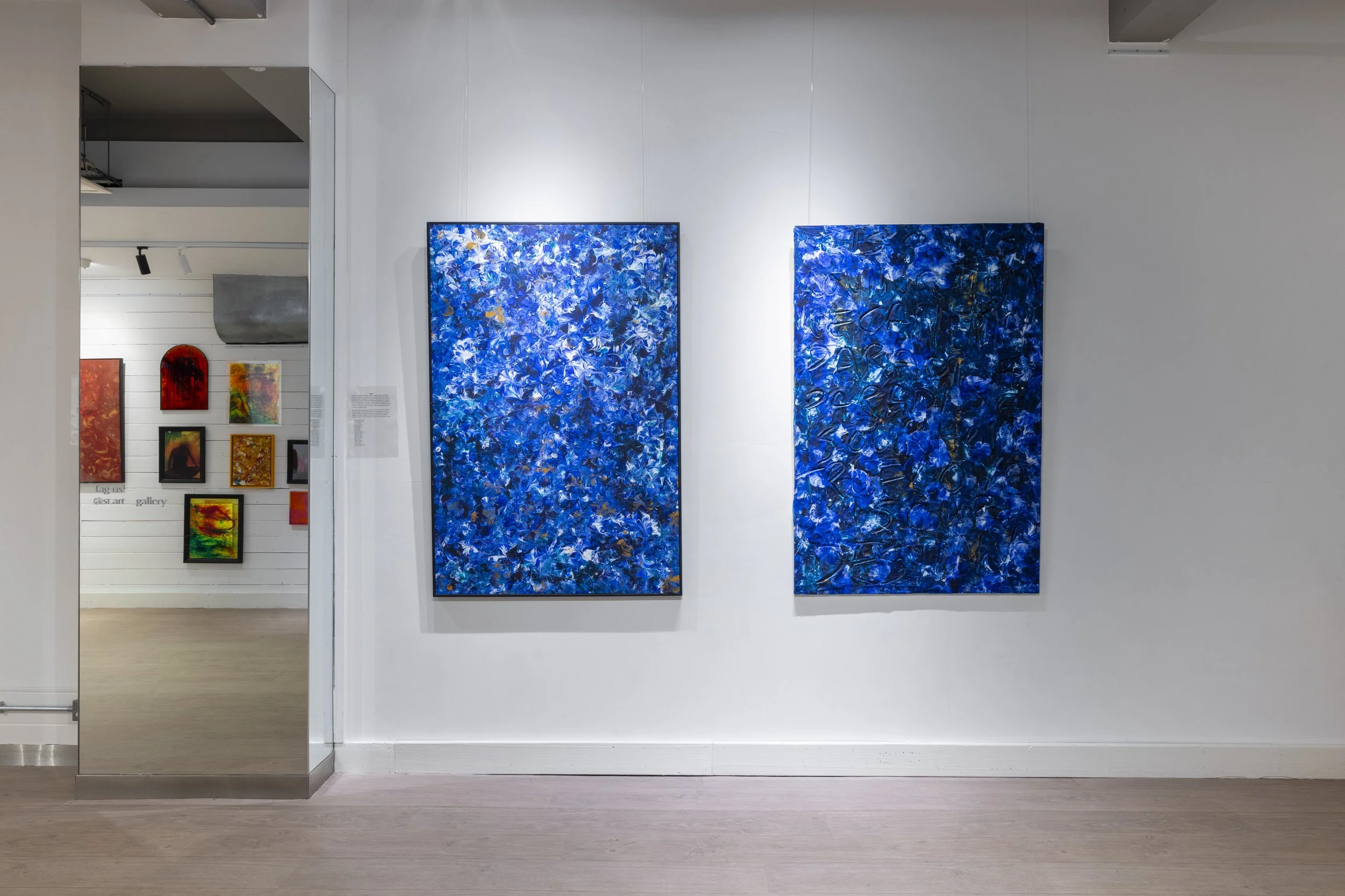
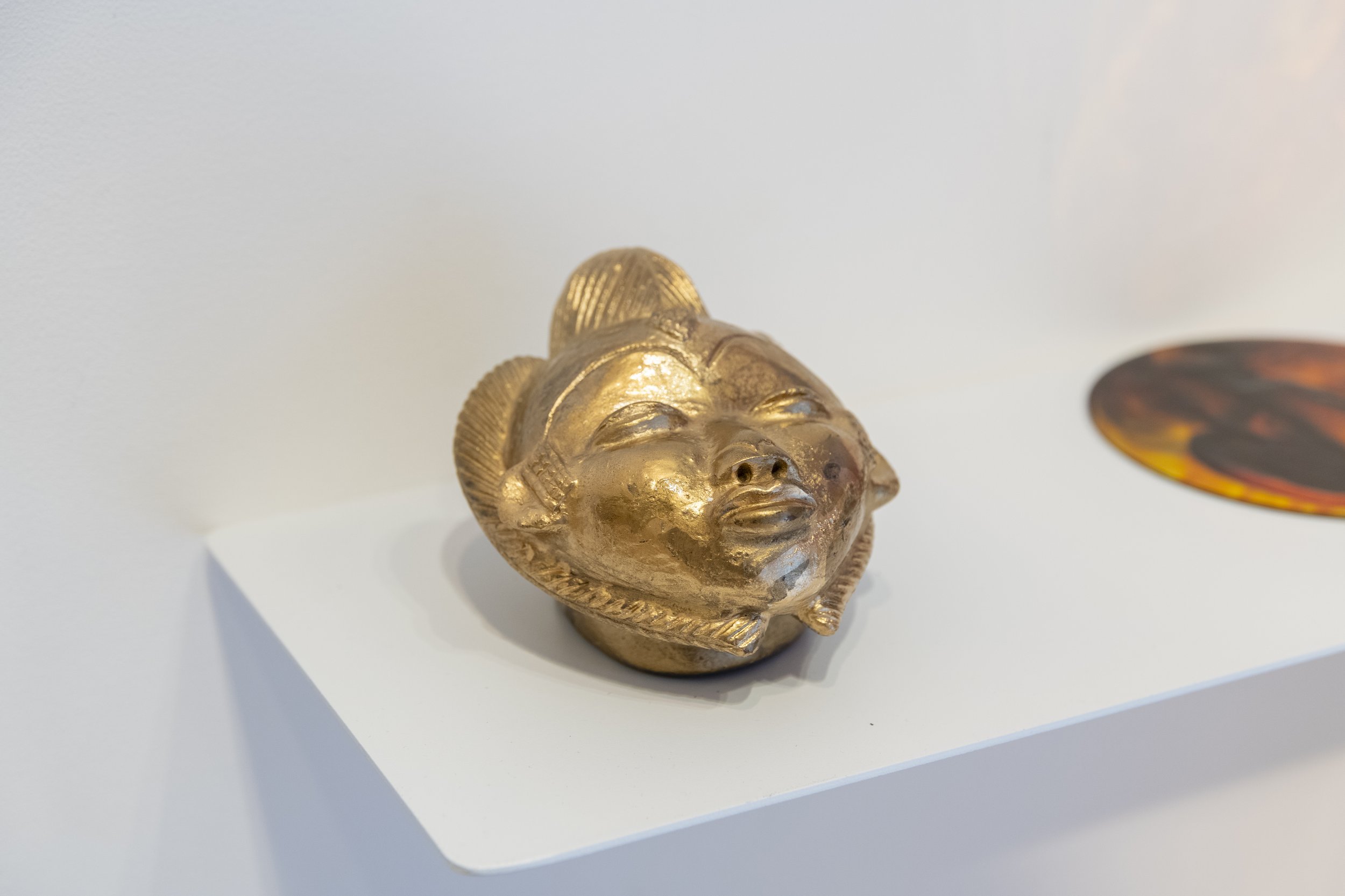
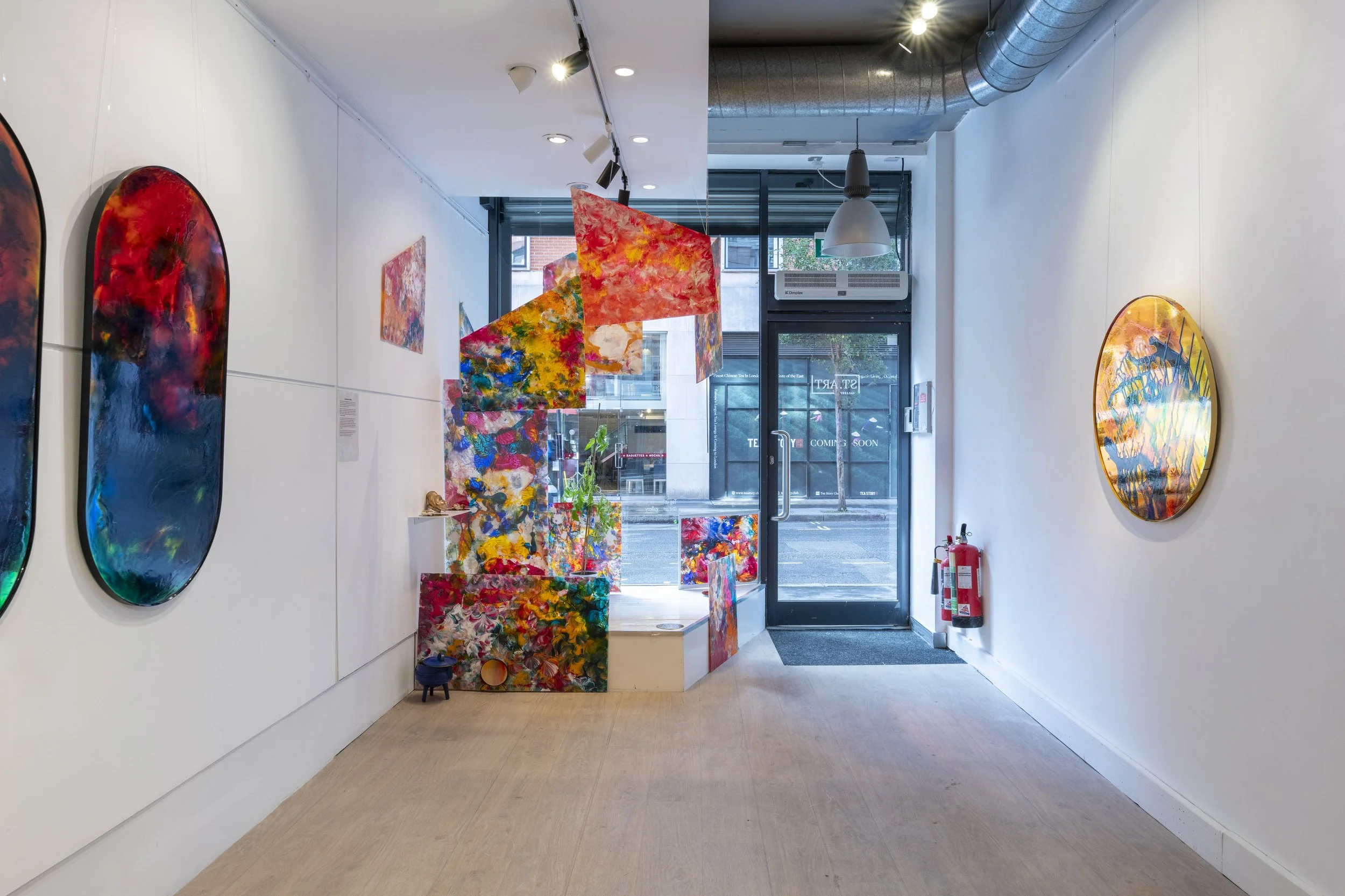
When the exhibition opened at St.ART Gallery on September 13, London trembled with contradiction. Outside, far-right protests filled the air with anger; inside, a countercurrent of tenderness unfolded. Over 150 works, paintings, mirrors, vessels of light filled the gallery in rhythmic conversation. People moved quietly, reverently, aware that every piece they beheld was already promised, already on its way to another home.
Izipho was not an exhibition in the traditional sense. It was an offering, an act of release. Each work would be given, not sold, to those whose lives had intersected with Bokani’s: friends, mentors, collaborators, even strangers. No transactions, no red dots, no claims of ownership. Just the act of giving, radiant and radical.
In that gesture lived an ancient knowing: that art, like spirit, gathers value only in circulation. Izipho belongs to the lineage of sacred economies, of Ubuntu, where “I am because we are”; of ancestral wisdom, where giving sustains harmony. Yet it also converses with artists who reimagined generosity as resistance: David Hammons, turning subversion into sacred play; Rirkrit Tiravanija, who served meals as art; Felix Gonzalez-Torres, whose dissolving candy piles transformed love into communal offering.
“I’ve always felt my paintings come through me,” Bokani told me. “They’re not earned, they’re given. So giving them feels like the most natural thing in the world.”
After the exhibition closed, the works scattered like seeds, to Brixton and Bulawayo, Hackney and Lusaka, finding their way into the hands of stewards such as Sonia Boyce, Lisa Anderson and Kelechi Okafor. Each carries a story now threaded into a larger constellation.
What remains is the vibration of that weekend, the murmur of voices, the scent of oil and glass, the light spilling across mirrors like benediction. In a world obsessed with possession, Izipho offered a reminder: that beauty, when shared freely, multiplies. That art, when untethered from commerce, becomes something else entirely, a practice of faith, a language of care, a return to radical humanity.
And perhaps that is the truest meaning of Izipho: not simply a gift given, but a life lived in the spirit of giving. A quiet insistence that generosity, even now, is a form of revolution.